Your Health, We Care
Release date: 2026-04-22 11:47:25 Article From: Lucius Laos Recommended: 292
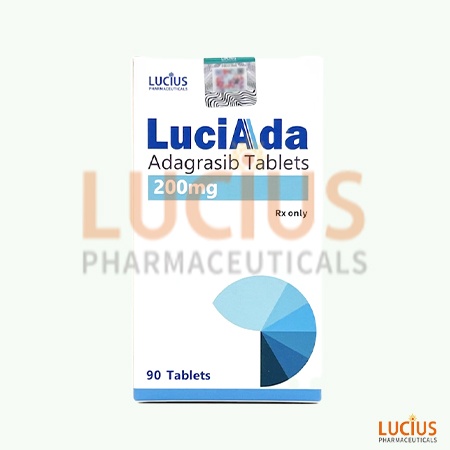
In clinical trials, the most common side effects of Adagrasib (incidence >20%) primarily include gastrointestinal reactions and systemic symptoms. Specifically, diarrhea, nausea, and vomiting occur at higher rates, and some patients may experience dehydration or electrolyte imbalances; fatigue and decreased appetite are also common. In terms of laboratory abnormalities, anemia, elevated serum creatinine, elevated liver enzymes (ALT and AST), and hyponatremia are frequently observed. Additionally, peripheral edema (particularly swelling of the ankles and feet) and dizziness are common adverse reactions. Most side effects are grade 1 or 2 and can be managed with supportive care or temporary dose interruption; severe events may require dose reduction or discontinuation.
Adagrasib is primarily metabolized by the CYP3A enzyme system. Therefore, when co-administered with other drugs that are also metabolized by the same enzyme and have a narrow therapeutic index, it may significantly alter their plasma concentrations, leading to serious adverse reactions. Based on this, Adagrasib is strictly contraindicated for concurrent use with the following drugs: alfuzosin, amiodarone, cisapride, pimozide, quinidine, ergotamine, dihydroergotamine, quetiapine, lovastatin, simvastatin, sildenafil, sirolimus, midazolam, triazolam, ticagrelor, and tacrolimus. If a patient is currently using any of the above medications, they should consult their physician to switch to an alternative drug or adjust the treatment regimen before starting Adagrasib. Caution is also required when using strong or moderate CYP3A inducers or inhibitors, and dose adjustment may be necessary.
To ensure the safe and effective use of Adagrasib in real-world settings, the European Medicines Agency requires the sponsor to continuously collect and report all suspected adverse reactions. Healthcare professionals should proactively report any serious or unexpected side effects to the national pharmacovigilance system. The product label already includes detailed management recommendations for different side effects, such as timely fluid replacement and use of antidiarrheals for diarrhea, and monitoring liver function with consideration of dose reduction for elevated liver enzymes. Furthermore, as Adagrasib is a conditional approval drug, its benefit-risk balance will be reassessed annually, and new safety information will be promptly updated in the product label to maximize patient safety.
On November 21, 2025, the U.S. Food and Drug Administration (FDA) approved the regimen of pembrolizu···【more】
Recommended:8542025-17-12
Lung cancer is the most rapidly increasing malignant tumor with the fastest increasing morbidity and···【more】
Recommended:10562024-09-07
Recently, Lao Lucius Pharmaceutical (Lucius Pharmaceuticals) issued a solemn statement regarding cou···【more】
Recommended:3462026-10-10
Lucius Pharmaceuticals Version of Vibegron Now Available1.Basic Drug InformationVibegron (generic na···【more】
Recommended:4202026-06-08
In recent years, leveraging the World Trade Organization (WTO) patent waiver for least-developed cou···【more】
Recommended:6192026-05-08
How Can Chinese Patients Access Generic Drugs from Laos?In recent years, generic drugs from Laos hav···【more】
Recommended:6052026-04-08
Lucius Pharmaceuticals version of Ibrutinib is now availableIn a randomized controlled trial of 269 ···【more】
Recommended:4752026-03-08
Leveraging the WTO patent waiver for least-developed countries (extended to 2033), Laos has seen rap···【more】
Recommended:6232026-31-07
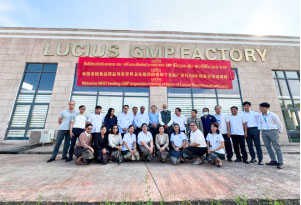
Lucius Pharmaceuticals (Lao) LTD. (Lucius Pharmaceuticals), with its manufacturing campus in Laos located in the capital city of Vientiane in 2020, officially begins its great journey to make effective and affordable medicines available to people in need around the world...More

Lucius Pharmaceutical Co., Ltd., was established in 2020 in Vientiane, the capital of Laos. It aims to offer safe, effective, and affordable medicines globally. With a factory spanning 25,000 square meters, the company manufactures 200+ generic drugs in diverse therapeutic fields.
Address: No.26 Thongmang village, Xaythany district, Vientiane Capital, Laos
E-mail:laoslucius@gmail.com

Name: Lucius

Telegram name: Vira
No.:0085253923643
Telegram name: Vira
No.:0085253923643