Your Health, We Care
Release date: 2026-04-14 17:46:11 Article From: Lucius Laos Recommended: 331
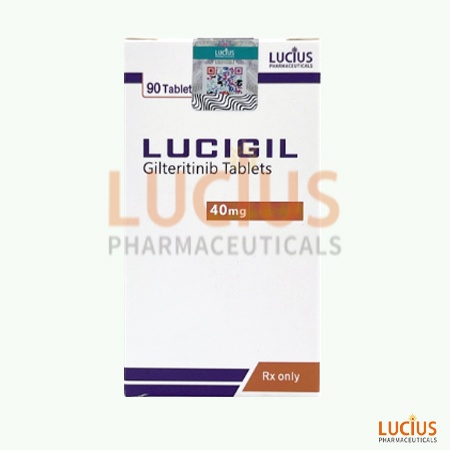
Gilteritinib may affect the metabolism of many other drugs, and vice versa. Therefore, while taking gilteritinib, you must inform your doctor of all medications you are using, including prescription drugs, over‑the‑counter medications, and herbal products. Special attention should be paid to the following categories: certain anticancer drugs (e.g., mitoxantrone, methotrexate), antituberculosis drugs (rifampicin), antiepileptic drugs (phenytoin), antifungals (voriconazole, posaconazole, itraconazole), macrolide antibiotics (erythromycin, clarithromycin, azithromycin), antihypertensives (captopril, carvedilol), antidiabetic drugs (metformin), lipid‑lowering agents (rosuvastatin), anti‑HIV drugs (ritonavir), antidepressants (escitalopram, fluoxetine, sertraline), cardiac drugs (digoxin), anticoagulants (dabigatran etexilate), and the herbal product St. John's wort (Hypericum perforatum). Your doctor may adjust your medication regimen based on the situation.
Gilteritinib may cause harm to an unborn baby, so it is strictly prohibited during pregnancy. If you are a woman of childbearing potential, you must use reliable contraception while taking gilteritinib and for at least 6 months after the last dose. If you use hormonal contraceptives (e.g., oral contraceptives), you should also add a barrier method (such as condoms or a diaphragm), because gilteritinib may reduce the effectiveness of hormonal contraception. For male patients with a female partner who is able to become pregnant, effective contraception should be used during treatment and for at least 4 months after the last dose. It is not known whether gilteritinib passes into breast milk. To ensure infant safety, do not breastfeed during treatment and for at least 2 months after the last dose. If you are pregnant or planning to become pregnant, discuss this with your doctor in advance.
Before starting gilteritinib treatment and throughout the course, your doctor will arrange a series of tests to ensure medication safety. First, regular blood tests will be performed to monitor blood cell counts, liver function indicators (e.g., ALT, AST, alkaline phosphatase), and creatine phosphokinase levels (reflecting muscle and heart status). Second, because gilteritinib may affect the heart's electrical activity, your doctor will perform electrocardiograms (ECGs) regularly before and during treatment to assess whether the QT interval is prolonged. At the same time, blood levels of potassium and magnesium will be checked, because low potassium or magnesium can further increase the risk of arrhythmias. If you experience any new discomfort, such as dizziness, palpitations, difficulty breathing, or swelling (edema), you should inform your doctor promptly. In addition, avoid driving or operating machinery during treatment, as gilteritinib may cause dizziness.
On November 21, 2025, the U.S. Food and Drug Administration (FDA) approved the regimen of pembrolizu···【more】
Recommended:8462025-17-12
Lung cancer is the most rapidly increasing malignant tumor with the fastest increasing morbidity and···【more】
Recommended:10442024-09-07
Recently, Lao Lucius Pharmaceutical (Lucius Pharmaceuticals) issued a solemn statement regarding cou···【more】
Recommended:2672026-10-10
Lucius Pharmaceuticals Version of Vibegron Now Available1.Basic Drug InformationVibegron (generic na···【more】
Recommended:3932026-06-08
In recent years, leveraging the World Trade Organization (WTO) patent waiver for least-developed cou···【more】
Recommended:5822026-05-08
How Can Chinese Patients Access Generic Drugs from Laos?In recent years, generic drugs from Laos hav···【more】
Recommended:5482026-04-08
Lucius Pharmaceuticals version of Ibrutinib is now availableIn a randomized controlled trial of 269 ···【more】
Recommended:4392026-03-08
Leveraging the WTO patent waiver for least-developed countries (extended to 2033), Laos has seen rap···【more】
Recommended:6002026-31-07
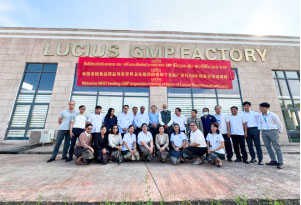
Lucius Pharmaceuticals (Lao) LTD. (Lucius Pharmaceuticals), with its manufacturing campus in Laos located in the capital city of Vientiane in 2020, officially begins its great journey to make effective and affordable medicines available to people in need around the world...More

Lucius Pharmaceutical Co., Ltd., was established in 2020 in Vientiane, the capital of Laos. It aims to offer safe, effective, and affordable medicines globally. With a factory spanning 25,000 square meters, the company manufactures 200+ generic drugs in diverse therapeutic fields.
Address: No.26 Thongmang village, Xaythany district, Vientiane Capital, Laos
E-mail:laoslucius@gmail.com

Name: Lucius

Telegram name: Vira
No.:0085253923643
Telegram name: Vira
No.:0085253923643