Your Health, We Care
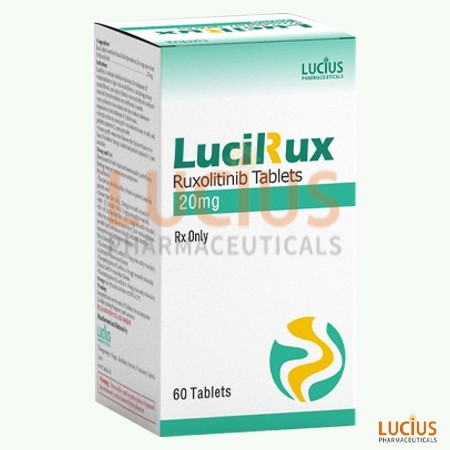
Treatment with ruxolitinib can cause thrombocytopenia, anemia, and neutropenia.
Manage thrombocytopenia by reducing the dose or temporarily interrupting ruxolitinib. Platelet transfusions may be necessary.
Patients who develop anemia may require blood transfusions and/or dose adjustment of ruxolitinib.
Severe neutropenia (absolute neutrophil count less than 0.5 × 10⁹/L) is usually reversible by withholding ruxolitinib until recovery.
Perform a complete blood count before treatment, and monitor complete blood counts every 2 to 4 weeks until doses are stabilized, and then as clinically indicated.
Serious bacterial, mycobacterial, fungal, and viral infections have occurred. Delay initiation of ruxolitinib treatment until active serious infections have resolved. Observe patients receiving ruxolitinib for signs and symptoms of infection and manage promptly. Use active surveillance and prophylactic antibiotics according to clinical guidelines.
Tuberculosis: Tuberculosis infections have been reported in patients receiving ruxolitinib. Observe patients receiving ruxolitinib for signs and symptoms of active tuberculosis and manage promptly. Before starting ruxolitinib treatment, assess patients for tuberculosis risk factors, and test high-risk patients for latent infection. Risk factors include but are not limited to: prior residence or travel in countries with a high prevalence of tuberculosis, close contact with a patient with active tuberculosis, and a history of active or latent tuberculosis in which adequate treatment cannot be confirmed. For patients with evidence of active or latent tuberculosis, consult a physician with expertise in the treatment of tuberculosis before starting ruxolitinib treatment. The decision to continue ruxolitinib during treatment of active tuberculosis should be based on an overall risk-benefit assessment.
Progressive multifocal leukoencephalopathy: Progressive multifocal leukoencephalopathy has occurred during ruxolitinib treatment. If progressive multifocal leukoencephalopathy is suspected, stop ruxolitinib and evaluate.
Herpes zoster and herpes simplex: Herpes zoster infections have been reported in patients receiving ruxolitinib. Inform patients of the early signs and symptoms of herpes zoster and advise them to seek treatment as soon as possible if suspected. Herpes simplex virus reactivation and/or dissemination have been reported in patients receiving ruxolitinib. Monitor patients for herpes simplex infections. If a patient has evidence of disseminated herpes simplex, consider interrupting ruxolitinib treatment; promptly treat and monitor the patient according to clinical guidelines.
Hepatitis B: Increased hepatitis B virus load, with or without elevations in alanine aminotransferase and aspartate aminotransferase, has been reported in patients with chronic hepatitis B virus infection after taking ruxolitinib. The effect of ruxolitinib on viral replication in patients with chronic hepatitis B virus infection is unknown. Patients with chronic hepatitis B virus infection should be treated and monitored according to clinical guidelines.
After discontinuation of ruxolitinib, symptoms of myeloproliferative neoplasms are expected to return to pretreatment levels within approximately one week. Some patients with myelofibrosis experienced one or more of the following adverse events after discontinuation of ruxolitinib: fever, respiratory distress, hypotension, disseminated intravascular coagulation, or multi-organ failure. If one or more of these conditions occur after discontinuation of ruxolitinib or after gradual dose reduction of ruxolitinib, evaluate and treat any intercurrent illness, and consider restarting or increasing the dose of ruxolitinib. Instruct patients not to interrupt or stop ruxolitinib treatment without consulting their physician. When stopping or interrupting ruxolitinib treatment for reasons other than thrombocytopenia or neutropenia, consider gradual dose reduction of ruxolitinib rather than abrupt discontinuation.
Non-melanoma skin cancers, including basal cell carcinoma, squamous cell carcinoma, and Merkel cell carcinoma, have occurred in patients receiving ruxolitinib. Perform periodic skin examinations.
Ruxolitinib treatment is associated with elevations in lipid parameters, including total cholesterol, low-density lipoprotein cholesterol, and triglycerides. The effect of these elevations in lipid parameters on cardiovascular morbidity and mortality in patients treated with ruxolitinib has not been determined. Assess lipid parameters approximately 8 to 12 weeks after starting ruxolitinib treatment. Monitor and treat according to clinical guidelines for the management of hyperlipidemia.
Another JAK inhibitor increased the risk of major adverse cardiovascular events, including cardiovascular death, myocardial infarction, and stroke, in patients with rheumatoid arthritis (ruxolitinib is not approved for this condition), compared with patients treated with TNF blockers.
Before starting or continuing ruxolitinib treatment, consider the individual benefits and risks, particularly in current or former smokers and in patients with other cardiovascular risk factors. Inform patients of the symptoms of serious cardiovascular events and what to do if they occur.
Another JAK inhibitor increased the risk of thrombosis, including deep vein thrombosis, pulmonary embolism, and arterial thrombosis, in patients with rheumatoid arthritis (ruxolitinib is not approved for this condition), compared with patients treated with TNF blockers. In clinical trials of patients with myelofibrosis and polycythemia vera treated with ruxolitinib, the incidence of thromboembolic events was similar between patients in the ruxolitinib group and the control group.
Patients with symptoms of thrombosis should be promptly evaluated and appropriately treated.
Another JAK inhibitor increased the risk of lymphoma and other malignancies (excluding non-melanoma skin cancer) in patients with rheumatoid arthritis (ruxolitinib is not approved for this condition), compared with patients treated with TNF blockers. Current or former smokers are at additional risk.
Before starting or continuing ruxolitinib treatment, consider the individual benefits and risks, particularly in patients with known secondary malignancies (excluding successfully treated non-melanoma skin cancer), patients who develop malignancies, and current or former smokers.

Lucius Pharmaceuticals (Lao) LTD. (Lucius Pharmaceuticals), with its manufacturing campus in Laos located in the capital city of Vientiane in 2020, officially begins its great journey to make effective and affordable medicines available to people in need around the world...More

Lucius Pharmaceutical Co., Ltd., was established in 2020 in Vientiane, the capital of Laos. It aims to offer safe, effective, and affordable medicines globally. With a factory spanning 25,000 square meters, the company manufactures 200+ generic drugs in diverse therapeutic fields.
Address: No.26 Thongmang village, Xaythany district, Vientiane Capital, Laos
E-mail:laoslucius@gmail.com

Name: Lucius

Telegram name: Vira
No.:0085253923643
Telegram name: Vira
No.:0085253923643