Your Health, We Care
Release date: 2026-04-17 15:30:25 Article From: Lucius Laos Recommended: 292
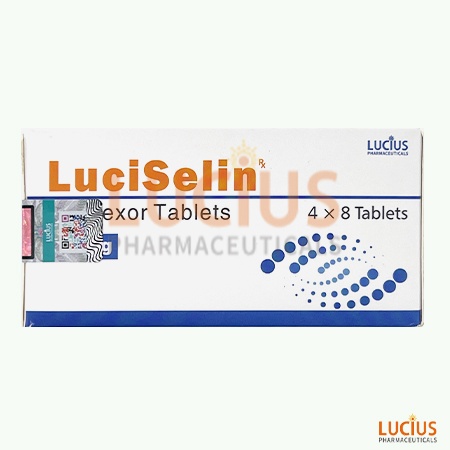
Selinexor works in a completely different way from other multiple myeloma treatments. It works by blocking a protein called XPO1. In healthy plasma cells, the XPO1 protein helps transport substances out of the cell nucleus, but some of these substances actually help slow down cell division and growth. In multiple myeloma cells, however, XPO1 is overproduced, leading to massive cancer cell proliferation. Selinexor is the only FDA-approved drug that blocks XPO1, thereby helping restore the body's own tumor defense system. This innovative mechanism makes Selinexor an effective treatment option for patients after relapse — when traditional paths are no longer viable, choosing a unique route may bring a turning point.
After multiple myeloma relapses, patients often face confusion about treatment options. Conventional treatment regimens may gradually lose effectiveness, and at that point, a different approach is needed. Selinexor is an oral medication taken just once a week that fights myeloma cells in a unique way. Clinical studies show that using a drug with a completely different mechanism of action can often break through drug resistance and bring new hope to patients. In a pivotal clinical trial, patients receiving a Selinexor-containing regimen achieved longer progression-free survival: at a median follow-up of 15.1 months, the treatment group had a median time without disease progression of 13.9 months, compared to only 9.5 months in the control group. This means Selinexor helped patients gain an additional 4.4 months of valuable time without disease worsening.
Selinexor is indicated for two main situations. First, in combination with bortezomib and dexamethasone, for the treatment of adult patients with multiple myeloma who have received at least one prior therapy. Second, in combination with dexamethasone, for the treatment of adult patients with relapsed or refractory multiple myeloma who have received at least four prior therapies and whose disease is refractory to at least two proteasome inhibitors, at least two immunomodulatory agents, and an anti-CD38 monoclonal antibody. Selinexor received accelerated approval based on overall response rate, and continued studies are underway to confirm its long-term clinical benefit. It is important to note that the safety and effectiveness of Selinexor in children have not been established.
On November 21, 2025, the U.S. Food and Drug Administration (FDA) approved the regimen of pembrolizu···【more】
Recommended:8552025-17-12
Lung cancer is the most rapidly increasing malignant tumor with the fastest increasing morbidity and···【more】
Recommended:10562024-09-07
Recently, Lao Lucius Pharmaceutical (Lucius Pharmaceuticals) issued a solemn statement regarding cou···【more】
Recommended:3472026-10-10
Lucius Pharmaceuticals Version of Vibegron Now Available1.Basic Drug InformationVibegron (generic na···【more】
Recommended:4202026-06-08
In recent years, leveraging the World Trade Organization (WTO) patent waiver for least-developed cou···【more】
Recommended:6192026-05-08
How Can Chinese Patients Access Generic Drugs from Laos?In recent years, generic drugs from Laos hav···【more】
Recommended:6062026-04-08
Lucius Pharmaceuticals version of Ibrutinib is now availableIn a randomized controlled trial of 269 ···【more】
Recommended:4752026-03-08
Leveraging the WTO patent waiver for least-developed countries (extended to 2033), Laos has seen rap···【more】
Recommended:6232026-31-07
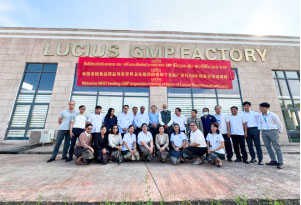
Lucius Pharmaceuticals (Lao) LTD. (Lucius Pharmaceuticals), with its manufacturing campus in Laos located in the capital city of Vientiane in 2020, officially begins its great journey to make effective and affordable medicines available to people in need around the world...More

Lucius Pharmaceutical Co., Ltd., was established in 2020 in Vientiane, the capital of Laos. It aims to offer safe, effective, and affordable medicines globally. With a factory spanning 25,000 square meters, the company manufactures 200+ generic drugs in diverse therapeutic fields.
Address: No.26 Thongmang village, Xaythany district, Vientiane Capital, Laos
E-mail:laoslucius@gmail.com

Name: Lucius
Telegram name: Vira
No.:0085253923643
Telegram name: Vira
No.:0085253923643