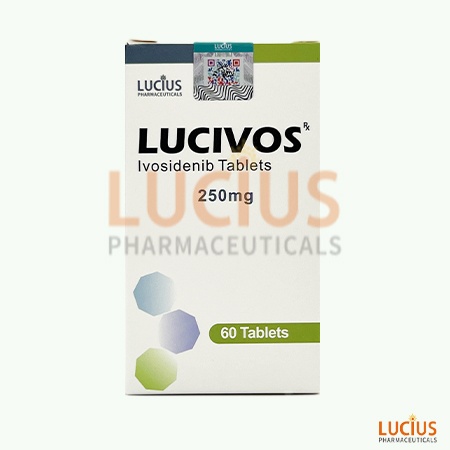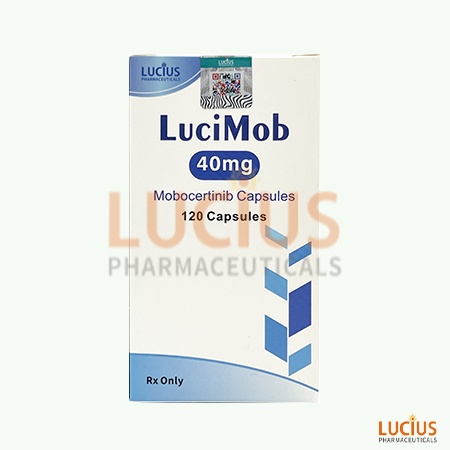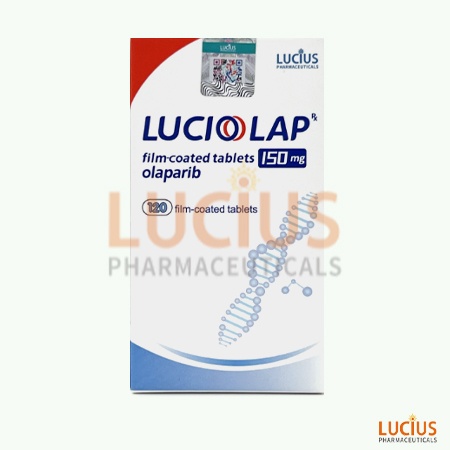
Your Health, We Care
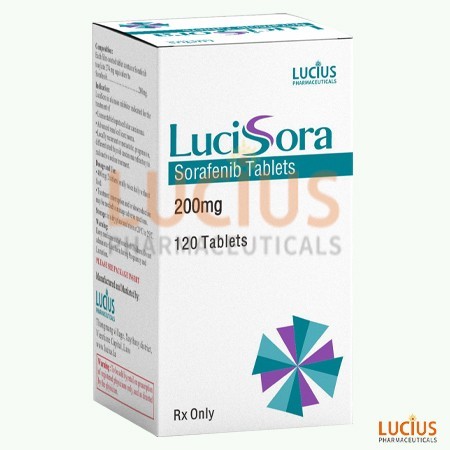
The recommended dosage of Sorafenib is 400 mg orally twice daily on an empty stomach (at least 1 hour before or at least 2 hours after a meal), until patients no longer derive clinical benefit from treatment or unacceptable toxicity occurs.
The recommended dosage adjustments for adverse reactions are summarized below:
Hepatocellular carcinoma and renal cell carcinoma: first dose reduction to 400 mg orally once daily; second dose reduction to 200 mg orally once daily or 400 mg every other day.
Differentiated thyroid carcinoma: first dose reduction may be adjusted to 400 mg in the morning and 200 mg in the evening orally (approximately 12 hours apart), or 200 mg in the morning and 400 mg in the evening orally (approximately 12 hours apart); second dose reduction to 200 mg orally twice daily; third dose reduction to 200 mg orally once daily.
Cardiovascular events (e.g., myocardial ischemia/infarction): permanently discontinue for Grade 2 or higher.
Congestive heart failure: for Grade 3, interrupt treatment until recovery to Grade 1 or lower, then resume at one reduced dose level; for Grade 4, permanently discontinue.
Hemorrhage: permanently discontinue for Grade 2 or higher bleeding requiring medical intervention.
Hypertension: for symptomatic or persistent Grade 2 hypertension, or diastolic blood pressure increased by >20 mmHg from baseline or >140/90 mmHg, or Grade 3 hypertension, interrupt treatment until symptoms resolve and diastolic blood pressure is <90 mmHg, then resume at one reduced dose level; for Grade 4, permanently discontinue.
Gastrointestinal perforation: permanently discontinue for any grade.
QT interval prolongation: for QTc >500 ms or an increase of ≥60 ms from baseline, interrupt treatment and correct electrolyte abnormalities, and consider whether to restart based on medical judgment.
Drug-induced liver injury: permanently discontinue for Grade 3 ALT elevation or, in the absence of other causes, AST/ALT >3 times the upper limit of normal and bilirubin >2 times the upper limit of normal.
Non-hematologic toxicity: depending on the occurrence and severity (Grade 2, Grade 3, Grade 4), take different measures such as continuing treatment with dose reduction, interrupting treatment until improvement and then resuming at a reduced dose, or permanently discontinuing.
Skin toxicity:
Grade 2 hand-foot skin reaction: for the first occurrence, patients with hepatocellular carcinoma/renal cell carcinoma may continue treatment and consider local therapy; patients with differentiated thyroid carcinoma require dose reduction to 600 mg daily. If no improvement within 7 days or if it recurs, interrupt treatment until improvement and then resume at a reduced dose. Discontinue at the fourth occurrence.
Grade 3 hand-foot skin reaction: for the first occurrence, interrupt treatment until improvement and then resume at one reduced dose level; for the second occurrence, interrupt treatment until improvement and then resume at one (hepatocellular carcinoma/renal cell carcinoma) or two (differentiated thyroid carcinoma) reduced dose levels; discontinue at the third occurrence.
For patients whose skin toxicity improves to Grade 0–1 and is maintained at the reduced dose for at least 28 days, consider increasing the dose by one level.
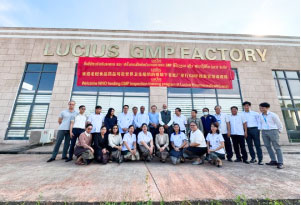
Lucius Pharmaceuticals (Lao) LTD. (Lucius Pharmaceuticals), with its manufacturing campus in Laos located in the capital city of Vientiane in 2020, officially begins its great journey to make effective and affordable medicines available to people in need around the world...More

Lucius Pharmaceutical Co., Ltd., was established in 2020 in Vientiane, the capital of Laos. It aims to offer safe, effective, and affordable medicines globally. With a factory spanning 25,000 square meters, the company manufactures 200+ generic drugs in diverse therapeutic fields.
Address: No.26 Thongmang village, Xaythany district, Vientiane Capital, Laos
E-mail:laoslucius@gmail.com

Name: Lucius

Telegram name: Vira
No.:0085253923643
Telegram name: Vira
No.:0085253923643