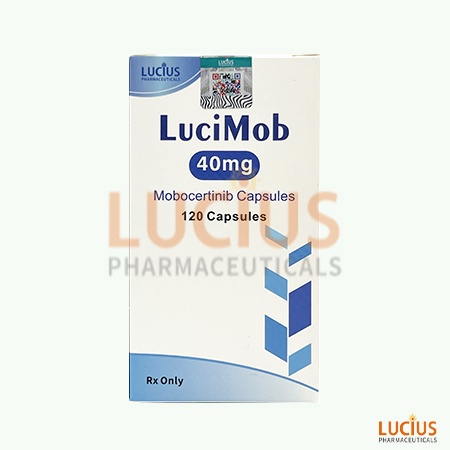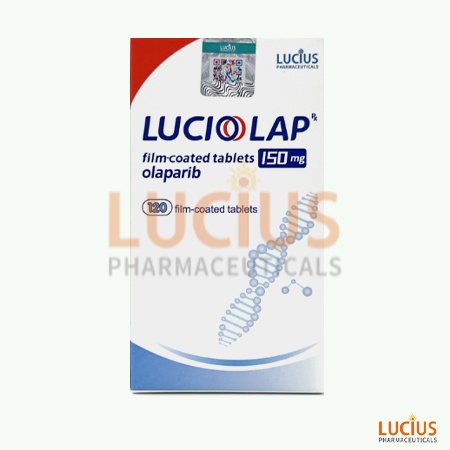
Your Health, We Care
Release date: 2025-05-16 10:49:42 Article From: Lucius Laos Recommended: 934
A new class of oral drugs is changing the treatment landscape for specific inflammatory skin diseases.
The drug works by precisely modulating cell signaling pathways to provide treatment options for specific patient populations.
By selectively inhibiting intracellular key enzyme activity, the drug reduces pro-inflammatory factor levels. Its molecular design allows the drug to penetrate the cell membrane and act directly on the target, reducing systemic effects.
It is mainly aimed at patients with moderate to severe skin inflammation who do not respond well to conventional treatments. Clinical study data have shown that some cases that have not responded adequately to biologics have seen significant improvement in symptoms after switching to this drug.
Multicenter trials showed that more than half of participants met the primary efficacy endpoint after 12 weeks of continuous use. The mean decrease in lesion size and severity scores was greater than that of standard treatment.
Rational drug use needs to be combined with individualized medical strategies to balance treatment effects and potential risks.
Initial treatment is recommended at a standard dose, dynamically adjusted according to changes in laboratory indicators. Patients with abnormal liver and kidney function should be treated with a stepwise dosing regimen with regular monitoring of relevant biochemical parameters.
Cardiovascular system evaluation should be strengthened in the elderly patient population, and the principles of risk-benefit analysis should be strictly followed during pregnancy. For cases with metabolic syndrome, simultaneous multidisciplinary consultation is recommended.
Establish a regular follow-up mechanism, focusing on observing changes in skin barrier function. It is recommended to assess immune status on a quarterly basis and adjust adjuvant therapy as appropriate.
Novel treatment regimens bring new hope to patients with specific skin inflammation, and their rational application requires the development of treatment strategies based on individual characteristics. Collaboration between the medical team and the patient is a key element in achieving the best possible outcome.
On November 21, 2025, the U.S. Food and Drug Administration (FDA) approved the regimen of pembrolizu···【more】
Recommended:8472025-17-12
Lung cancer is the most rapidly increasing malignant tumor with the fastest increasing morbidity and···【more】
Recommended:10442024-09-07
Recently, Lao Lucius Pharmaceutical (Lucius Pharmaceuticals) issued a solemn statement regarding cou···【more】
Recommended:2762026-10-10
Lucius Pharmaceuticals Version of Vibegron Now Available1.Basic Drug InformationVibegron (generic na···【more】
Recommended:3972026-06-08
In recent years, leveraging the World Trade Organization (WTO) patent waiver for least-developed cou···【more】
Recommended:5872026-05-08
How Can Chinese Patients Access Generic Drugs from Laos?In recent years, generic drugs from Laos hav···【more】
Recommended:5512026-04-08
Lucius Pharmaceuticals version of Ibrutinib is now availableIn a randomized controlled trial of 269 ···【more】
Recommended:4432026-03-08
Leveraging the WTO patent waiver for least-developed countries (extended to 2033), Laos has seen rap···【more】
Recommended:6022026-31-07
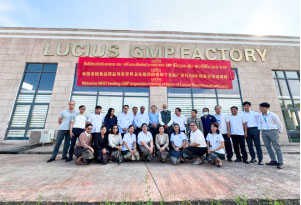
Lucius Pharmaceuticals (Lao) LTD. (Lucius Pharmaceuticals), with its manufacturing campus in Laos located in the capital city of Vientiane in 2020, officially begins its great journey to make effective and affordable medicines available to people in need around the world...More

Lucius Pharmaceutical Co., Ltd., was established in 2020 in Vientiane, the capital of Laos. It aims to offer safe, effective, and affordable medicines globally. With a factory spanning 25,000 square meters, the company manufactures 200+ generic drugs in diverse therapeutic fields.
Address: No.26 Thongmang village, Xaythany district, Vientiane Capital, Laos
E-mail:laoslucius@gmail.com

Name: Lucius

Telegram name: Vira
No.:0085253923643
Telegram name: Vira
No.:0085253923643