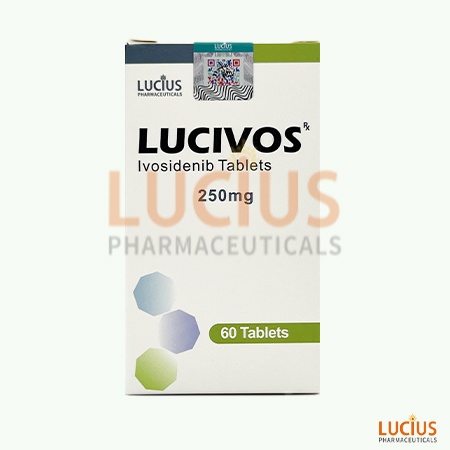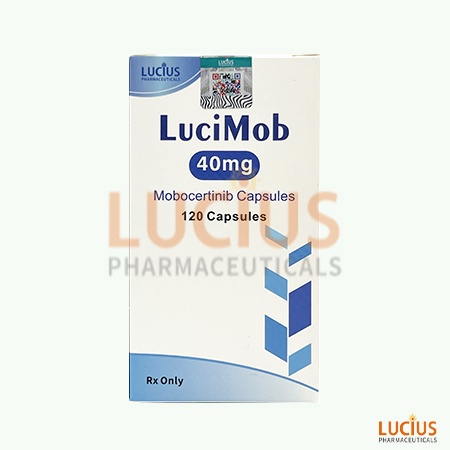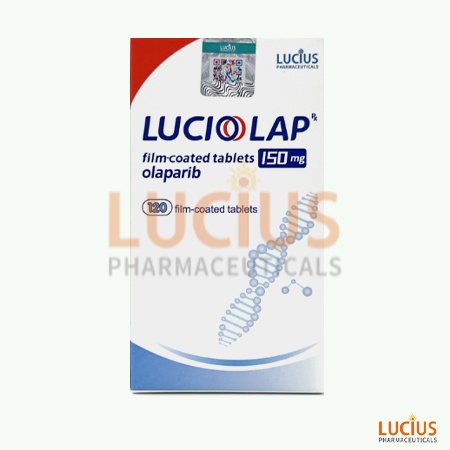
Your Health, We Care
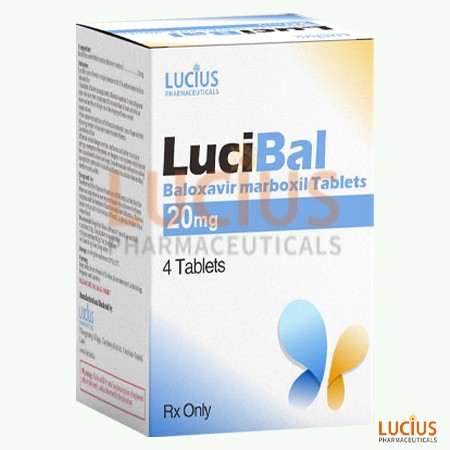
Two randomized, controlled, double-blind clinical trials conducted during two different influenza seasons evaluated the efficacy and safety of baloxavir marboxil in otherwise healthy subjects with acute uncomplicated influenza.
In Trial T0821, a placebo-controlled Phase 2 dose-finding trial, single oral doses of baloxavir marboxil were compared with placebo in 400 adult subjects aged 20 to 64 years in Japan. All subjects in Trial T0821 were Asian, most subjects were male (62%), and the mean age was 38 years. In this trial, among subjects who received baloxavir marboxil and had influenza virus subtyping, influenza A/H1N1 was the predominant strain (63%), followed by influenza B (25%) and influenza A/H3N2 (12%).
In Trial T0831 (NCT02954354), a Phase 3, randomized, double-blind, active- and placebo-controlled trial, baloxavir marboxil was studied in 1436 otherwise healthy adults and adolescents with signs and symptoms of influenza in the United States and Japan. Subjects were aged 12 to 64 years and weighed at least 40 kg. Adults aged 20 to 64 years received weight-based baloxavir marboxil (40 mg for subjects weighing ≥40 to<80 kg, 80 mg for subjects weighing ≥80 kg) (N=612) or a single oral dose of placebo (N=310) or oseltamivir twice daily for 5 days (N=514) on Day 1. Subjects in the baloxavir marboxil and placebo arms received placebo during the period of oseltamivir administration in that arm after receiving baloxavir marboxil or placebo. Adolescent subjects aged 12 to less than 20 years received a single oral dose of weight-based baloxavir marboxil or placebo.
In Trial T0831, 78% of subjects were Asian, 17% were White, and 4% were Black or African American. The mean age was 34 years, and 11% of subjects were younger than 20 years; 54% of subjects were male and 46% were female. In Trial T0831, influenza was confirmed by RT-PCR in 1062 of the 1436 enrolled subjects who were included in the efficacy analyses (baloxavir marboxil N=455, placebo N=230, oseltamivir N=377). Among subjects who received baloxavir marboxil and had influenza virus subtyping, influenza A/H3N2 was the predominant strain (90%), followed by influenza B (9%) and influenza A/H1N1 (2%).
In Trials T0821 and T0831, eligible subjects had an axillary temperature of at least 38°C, at least one moderate or severe respiratory symptom (cough, nasal congestion, or sore throat), and at least one moderate or severe systemic symptom (headache, feverishness or chills, muscle or joint pain, or fatigue), and all subjects were treated within 48 hours of symptom onset. Subjects participating in the trials were asked to self-assess their influenza symptoms as “none”, “mild”, “moderate”, or “severe” twice daily. The primary efficacy population was defined as those with a positive rapid influenza diagnostic test (Trial T0821) or influenza reverse transcription polymerase chain reaction (RT-PCR) (Trial T0831) at trial enrollment.
The primary endpoint in both trials, time to alleviation of symptoms, was defined as the time when all seven symptoms (cough, sore throat, nasal congestion, headache, feverishness, myalgia, and fatigue) were assessed by the subject as none or mild for at least 21.5 hours.
In both trials, treatment with the recommended dose of baloxavir marboxil resulted in a statistically significant shorter time to alleviation of symptoms compared to placebo in the primary efficacy population.
Baloxavir marboxil 40 mg (95% CI²) N=100 group: 50 hours^b (45,64); Placebo (95% CI²) N=100 group: 78 hours (68,89).
*CI: confidence interval
^b Baloxavir marboxil treatment resulted in a statistically significantly shorter time to alleviation of symptoms compared to placebo using the Gehan-Breslow generalized Wilcoxon test (p-value: 0.014, multiplicity adjusted using the Bonferroni method). The primary analysis using the Cox proportional hazards model did not achieve statistical significance (p-value: 0.165).
Baloxavir marboxil 40 mg or 80 mg (95% CI²) N=455 group: 54 hours^b (50,59); Placebo (95% CI²) N=230 group: 80 hours (73,87).
*CI: confidence interval
^b Baloxavir marboxil treatment resulted in a statistically significantly shorter time to alleviation of symptoms compared to placebo using the Peto-Prentice generalized Wilcoxon test (p-value:<0.001).
In Trial T0831, there was no difference in the time to alleviation of symptoms between subjects receiving baloxavir marboxil (aged ≥20 years) and those receiving oseltamivir (54 hours for both). For adolescent subjects (12 to 17 years of age) in Trial T0831, the median time to alleviation of symptoms was 54 hours (95% CI 43,81) for subjects with influenza who received baloxavir marboxil (N=63) compared to 93 hours (95% CI 64,118) for placebo (N=27).
The number of subjects infected with influenza B virus who received the recommended dose of baloxavir marboxil was limited, including 24 subjects in Trial T0821 and 38 subjects in Trial T0831. In the influenza B subgroup of Trial T0821, the median time to alleviation of symptoms was 63 hours (95% CI 43,70) for subjects who received baloxavir marboxil 40 mg compared to 83 hours (95% CI 58,93) for those who received placebo. In the influenza B subgroup of Trial T0831, the median time to alleviation of symptoms was 93 hours (95% CI 53,135) for subjects who received baloxavir marboxil 40 mg or 80 mg compared to 77 hours (95% CI 47,189) for those who received placebo.
Trial T0832 (NCT02949011) was a randomized, double-blind, placebo- and active-controlled trial designed to evaluate the efficacy and safety of a single oral dose of baloxavir marboxil compared with placebo or oseltamivir in adult and adolescent subjects aged 12 years and older with influenza who are at high risk of influenza-associated complications.
A total of 2182 subjects with signs and symptoms of influenza were randomized to receive a single oral dose of baloxavir marboxil 40 mg or 80 mg (based on body weight; subjects weighing ≥40 kg to<80 kg received 40 mg, and subjects weighing ≥80 kg received 80 mg) (N=729), oseltamivir 75 mg twice daily for 5 days (N=725), or placebo (N=728). Twenty-eight percent of subjects were Asian, 59% were White, and 10% were Black or African American. The mean age was 52 years, and 3% of subjects were younger than 18 years; 43% of subjects were male and 57% were female.
High-risk factors were based on health conditions known to increase the risk of developing serious complications from influenza as defined by the Centers for Disease Control and Prevention (CDC). Most subjects had underlying asthma or chronic lung disease, diabetes, heart disease, morbid obesity, or were 65 years of age or older.
In Trial T0832, influenza was confirmed by RT-PCR in 1158 of the 2182 enrolled subjects who were included in the efficacy analyses (baloxavir marboxil N=385, placebo N=385, oseltamivir N=388). Among subjects with only one influenza type/subtype identified, 50% were infected with the A/H3N2 subtype, 43% with type B, and 7% with the A/H1N1 subtype.
Eligible subjects had an axillary temperature of at least 38˚C, at least one moderate or severe respiratory symptom (cough, nasal congestion, or sore throat), and at least one moderate or severe systemic symptom (headache, feverishness or chills, muscle or joint pain, or fatigue), and all subjects were treated within 48 hours of symptom onset. Subjects participating in the trial were asked to self-assess their influenza symptoms as “none”, “mild”, “moderate”, or “severe” twice daily. A total of 215 subjects (19%) had pre-existing symptoms (cough, muscle or joint pain, or fatigue) related to their underlying high-risk condition that were exacerbated by influenza infection. The primary efficacy endpoint was time to improvement of influenza symptoms (cough, sore throat, headache, nasal congestion, feverishness or chills, muscle or joint pain, and fatigue). This endpoint included alleviation of new symptoms and improvement of any pre-existing symptoms that were exacerbated by influenza. A statistically significant improvement in the primary endpoint was observed for baloxavir marboxil compared with placebo.
Baloxavir marboxil 40 mg or 80 mg^a (95% CI^b) N=385 group: 73 hours^c (67,85); Placebo (95% CI^b) N=385 group: 102 hours^c (93,113).
^a Dose of baloxavir marboxil was based on subject body weight.
^b CI: confidence interval
^c Baloxavir marboxil treatment resulted in a significantly shorter time to improvement of influenza symptoms compared to placebo using the Peto-Prentice generalized Wilcoxon test (p-value:<0.001).
There was no statistically significant difference in the median time to improvement of influenza symptoms between subjects receiving baloxavir marboxil (73 hours) and those receiving oseltamivir (81 hours). In the limited number of adolescent subjects aged 12 to 17 years infected with influenza virus, the median time to improvement of influenza symptoms was similar for subjects receiving baloxavir marboxil (188 hours) or placebo (191 hours) (N=13 and N=12, respectively).
For subjects infected with influenza B virus, the median time to improvement of influenza symptoms was 75 hours (95% CI 67,90) in the baloxavir marboxil group compared to 101 hours (95% CI 83,116) in the placebo group.
Trial CP40563 (NCT03629184) was a randomized, double-blind, multicenter, active-controlled trial designed to evaluate the safety, efficacy, and pharmacokinetics of a single oral dose of baloxavir marboxil compared with oseltamivir for the treatment of influenza-like symptoms in otherwise healthy pediatric subjects, including subjects aged 5 to<12 years. Eligible subjects had a tympanic temperature of at least 38°C and at least one respiratory symptom, i.e., cough or nasal congestion.
A total of 118 subjects aged 5 to less than 12 years were randomized to receive a single oral dose of baloxavir marboxil (N=79) (based on body weight: 2 mg/kg for subjects weighing<20 kg, 40 mg for subjects weighing ≥20 kg) or oseltamivir (N=39) for 5 days (dose based on body weight). Subjects at high risk of influenza-associated complications [16% (19/118)] were included in the trial. The primary objective was to compare the safety of a single dose of baloxavir marboxil to oseltamivir administered twice daily for 5 days. Secondary efficacy endpoints included time to alleviation of influenza signs and symptoms, defined as the time when all of the following criteria were met for at least 21.5 hours: caregiver-assessed cough and nasal symptoms as no problem or minor problem, the subject’s ability to resume normal daily activities, and the subject being afebrile (temperature ≤37.2°C). However, the trial was not designed to detect a statistically significant difference for this secondary endpoint.
Of the 118 randomized subjects aged 5 to less than 12 years in Trial CP40563, 94 subjects had influenza confirmed by RT-PCR at baseline or during the trial; 89% of subjects were White, 3% were Black or African American, and 8% were other/unknown/multiple races. The mean age was 8 years [standard deviation=1.97]; 56% of subjects were female and 44% were male. The predominant influenza virus strains in this trial were A/H3N2 subtype (67%), followed by A/H1N1 (20%) and type B (9%).
The median time to alleviation of influenza signs and symptoms was 138 hours (95% CI 117,163) in the baloxavir marboxil group and 126 hours (95% CI 96,166) in the oseltamivir group.
Trial T0834 was a Phase 3, randomized, double-blind, multicenter, placebo-controlled trial designed to evaluate the efficacy of a single oral dose of baloxavir marboxil compared with placebo for the prevention of influenza in household contacts of patients with influenza infection in Japan. The influenza-infected index patient was required to have symptom onset ≤48 hours, and subjects (household contacts) were required to have cohabitated with the influenza-infected index patient for ≥48 hours.
A total of 715 subjects aged 5 years and older (baloxavir marboxil N=360, placebo N=355) were randomized to receive a single oral dose of baloxavir marboxil or placebo based on body weight and age on Day 1. Subjects received a single dose of baloxavir marboxil based on body weight. The primary efficacy endpoint was the proportion of household subjects who developed fever and at least one respiratory symptom with influenza virus infection between Day 1 and Day 10. Influenza infection was confirmed by RT-PCR, fever was defined as body temperature (axillary) ≥37.5°C, and respiratory symptom was defined as a subject-reported symptom of “cough” or “runny/stuffy nose” with moderate or severe intensity.
In Trial T0834, the mean age of subjects ≥5 years was 35 years; 108 (15%) were aged 5 to<12 years, 33 (5%) were aged ≥12 to <18 years, 551 (77%) were aged ≥18 to <65 years, and 23 (3%) were aged ≥65 years. All subjects were Asian, 80% were female, and 20% were male.
Among subjects aged 5 years and older, the proportion of household contacts (subjects) with laboratory-confirmed clinical influenza was statistically significantly reduced from 13% in the placebo group to 2% in the baloxavir marboxil group.
Baloxavir marboxil (95% CI³) N=360: 6 (2%); Placebo (95% CI³) N=355: 47 (13%).
CI: confidence interval (%)
Using modified Poisson regression for binary response, baloxavir marboxil treatment resulted in a significantly lower risk ratio of developing fever with influenza virus infection compared to placebo (p-value:<0.0001).
Among the 108 pediatric subjects aged 5 to less than 12 years enrolled in Trial T0834, 57 subjects received baloxavir marboxil and 51 received placebo. In this age group, the proportion of subjects with laboratory-confirmed clinical influenza was 4% in the baloxavir marboxil group and 14% in the placebo group.
FDA,2025.05

Lucius Pharmaceuticals (Lao) LTD. (Lucius Pharmaceuticals), with its manufacturing campus in Laos located in the capital city of Vientiane in 2020, officially begins its great journey to make effective and affordable medicines available to people in need around the world...More

Lucius Pharmaceutical Co., Ltd., was established in 2020 in Vientiane, the capital of Laos. It aims to offer safe, effective, and affordable medicines globally. With a factory spanning 25,000 square meters, the company manufactures 200+ generic drugs in diverse therapeutic fields.
Address: No.26 Thongmang village, Xaythany district, Vientiane Capital, Laos
E-mail:laoslucius@gmail.com

Name: Lucius

Telegram name: Vira
No.:0085253923643
Telegram name: Vira
No.:0085253923643