Your Health, We Care
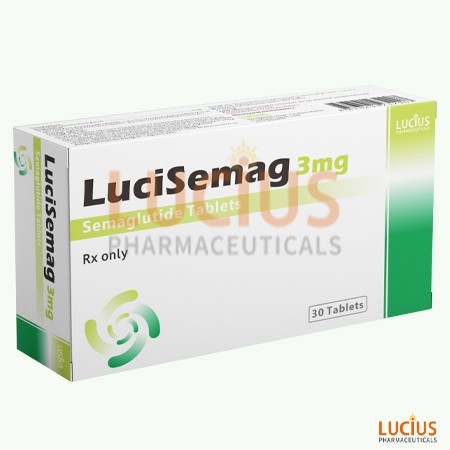
In mice and rats, semaglutide caused a dose-dependent and treatment-duration-dependent increase in the incidence of thyroid C-cell tumors (adenomas and carcinomas) at clinically relevant plasma exposures following lifetime exposure. It is unknown whether semaglutide tablets cause thyroid C-cell tumors, including medullary thyroid carcinoma (MTC), in humans as the human relevance of semaglutide-induced rodent thyroid C-cell tumors has not been determined.
In the postmarketing period, there have been case reports of MTC in patients treated with liraglutide, another GLP-1 receptor agonist; the data from these reports are insufficient to establish or exclude a causal relationship between MTC and GLP-1 receptor agonists in humans.
Semaglutide tablets are contraindicated in patients with a personal or family history of MTC or in patients with MEN2. Inform patients of the potential risk of MTC with semaglutide tablets and inform them of symptoms of thyroid tumors (e.g., a lump in the neck, dysphagia, dyspnea, persistent hoarseness).
Routine monitoring of serum calcitonin or using thyroid ultrasound for early detection of MTC is of uncertain value in patients treated with semaglutide tablets. Such monitoring may increase the risk of unnecessary procedures due to the low specificity of serum calcitonin testing and a high background incidence of thyroid disease. A significant elevation in serum calcitonin may indicate MTC, and calcitonin values are typically >50 ng/L in patients with MTC. If serum calcitonin is measured and found to be elevated, the patient should be further evaluated. Patients with thyroid nodules noted on physical examination or neck imaging should also be further evaluated.
Acute pancreatitis, including fatal and non-fatal hemorrhagic or necrotizing pancreatitis, has been observed in patients treated with GLP-1 receptor agonists, including semaglutide tablets.
After initiating semaglutide tablets, observe patients carefully for signs and symptoms of pancreatitis, which may include persistent or severe abdominal pain (sometimes radiating to the back), with or without nausea or vomiting. If pancreatitis is suspected, discontinue semaglutide tablets and initiate appropriate management.
In a pooled analysis of glycemic control trials of semaglutide tablets, patients reported diabetic retinopathy-related adverse reactions that occurred during the trial (4.2% in the semaglutide tablets group and 3.8% in the comparator group).
In a 2-year cardiovascular outcomes trial of injectable semaglutide in patients with type 2 diabetes and high cardiovascular risk, diabetic retinopathy complications (an adjudicated 4-component endpoint) occurred in 3% of patients treated with injectable semaglutide compared with 1.8% of patients in the placebo group. The absolute risk increase for diabetic retinopathy complications was greater among patients with a history of diabetic retinopathy at baseline (injectable semaglutide 8.2%, placebo 5.2%) compared to those without known diabetic retinopathy (injectable semaglutide 0.7%, placebo 0.4%).
Rapid improvement in glycemic control has been associated with a temporary worsening of diabetic retinopathy. The effect of long-term glycemic control with semaglutide on diabetic retinopathy complications has not been studied. Monitor patients with a history of diabetic retinopathy for progression of diabetic retinopathy.
The risk of hypoglycemia (including severe hypoglycemia) may be increased in patients receiving semaglutide tablets in combination with an insulin secretagogue (e.g., sulfonylureas) or insulin.
The risk of hypoglycemia may be lowered by a reduction in the dose of sulfonylurea (or other concomitantly administered insulin secretagogue) or insulin. Inform patients using these concomitant medications of the risk of hypoglycemia and educate them on the signs and symptoms of hypoglycemia.
Postmarketing reports of acute kidney injury have been received in patients treated with semaglutide, some requiring hemodialysis. Most reported events occurred in patients experiencing gastrointestinal reactions that led to dehydration (e.g., nausea, vomiting, or diarrhea).
Monitor renal function in patients reporting adverse reactions to semaglutide tablets that may lead to volume depletion, particularly during dose initiation and escalation of semaglutide tablets.
Use of semaglutide tablets is associated with gastrointestinal adverse reactions, sometimes severe. In clinical trials of semaglutide tablets, the frequency of severe gastrointestinal adverse reactions reported in patients treated with semaglutide tablets (0.6% in the 7 mg group, 2% in the 14 mg group) was higher than in the placebo group (0.3%). Severe gastrointestinal adverse reactions have also been reported postmarketing with GLP-1 receptor agonists.
Semaglutide tablets are not recommended in patients with severe gastroparesis.
Severe hypersensitivity reactions (e.g., anaphylaxis, angioedema) have been reported in patients treated with semaglutide tablets. If a hypersensitivity reaction occurs, discontinue semaglutide tablets; treat promptly per standard of care and monitor until signs and symptoms resolve. Semaglutide tablets are contraindicated in patients with a prior severe hypersensitivity reaction to semaglutide or to any of the excipients in semaglutide tablets.
Anaphylaxis and angioedema have been reported with GLP-1 receptor agonists. Use caution in a patient with a history of angioedema or anaphylaxis to another GLP-1 receptor agonist because it is unknown if such patients will be predisposed to anaphylaxis with semaglutide tablets.
Events of acute gallbladder disease, such as cholelithiasis or cholecystitis, have been reported in GLP-1 receptor agonist trials and postmarketing reports. In placebo-controlled trials for glycemic control, cholelithiasis was reported in 1% of patients treated with semaglutide tablets 7 mg. In a 4-year cardiovascular outcomes trial (Trial 7), cholelithiasis was reported in 1.1% of patients treated with semaglutide tablets 14 mg and 0.9% of patients treated with placebo. In Trial 7, cholecystitis was reported in 1.1% of patients treated with semaglutide tablets 14 mg and 0.7% of patients treated with placebo. If cholelithiasis or cholecystitis is suspected, appropriate gallbladder studies and appropriate clinical follow-up are indicated.
Semaglutide tablets delay gastric emptying. There have been rare postmarketing reports of pulmonary aspiration of residual gastric contents in patients receiving GLP-1 receptor agonists undergoing elective surgeries or procedures requiring general anesthesia or deep sedation, despite reported adherence to preoperative fasting recommendations.
Available data are insufficient to make recommendations regarding reducing the risk of pulmonary aspiration during general anesthesia or deep sedation in patients taking semaglutide tablets, including whether modification of preoperative fasting recommendations or temporary suspension of semaglutide tablets reduces the incidence of retained gastric contents.
FDA,2025.10
Semaglutide: Serious Warnings Requiring Immediate Medical AttentionIn rare cases, serious side effects may occur and require close vigilance. Rare (up to 1/1,000): severe allergic ···【more】
Article source:Lucius LaosRelease date:2026-05-11Recommended:413
Daily Precautions for SemaglutideFor patients with type 2 diabetes, a healthy lifestyle is just as important as medication. The American Diabetes Association recommends at least 30···【more】
Article source:Lucius LaosRelease date:2026-05-09Recommended:337

Lucius Pharmaceuticals (Lao) LTD. (Lucius Pharmaceuticals), with its manufacturing campus in Laos located in the capital city of Vientiane in 2020, officially begins its great journey to make effective and affordable medicines available to people in need around the world...More

Lucius Pharmaceutical Co., Ltd., was established in 2020 in Vientiane, the capital of Laos. It aims to offer safe, effective, and affordable medicines globally. With a factory spanning 25,000 square meters, the company manufactures 200+ generic drugs in diverse therapeutic fields.
Address: No.26 Thongmang village, Xaythany district, Vientiane Capital, Laos
E-mail:laoslucius@gmail.com

Name: Lucius
Telegram name: Vira
No.:0085253923643
Telegram name: Vira
No.:0085253923643